
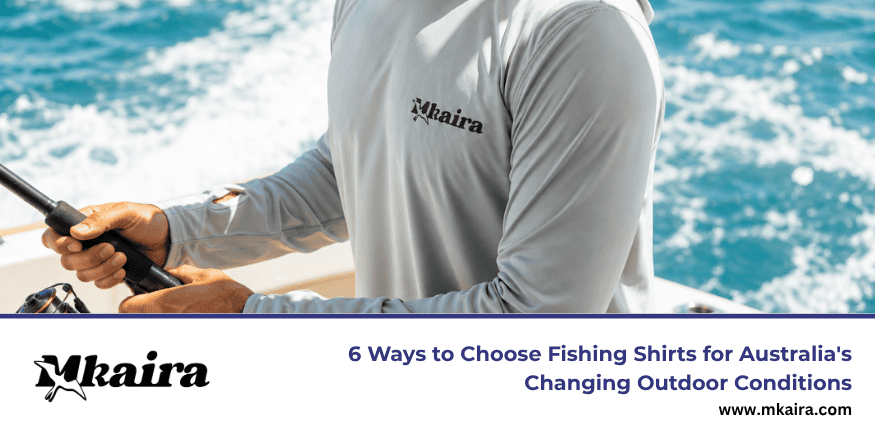
Australia doesn’t do “mild weather.” One minute you’re chucking a line off the jetty under a clear blue sky, and the next, a southerly buster rolls in and you’re squinting through wind-driven spray. Whether you’re chasing barra in the Top End, flicking lures along the Murray, or working a reef edge off the Queensland coast, your gear needs to keep pace with conditions that can turn on a dime. And nothing matters more on the water than what’s on your back.
Picking the right fishing shirts isn’t just about looking the part at the boat ramp. It’s about staying protected, comfortable, and focused for the whole session, whether that’s a quick arvo cast off the rocks or a full day out wide in luxury boating shirts. Get it wrong, and you’ll be battling sunburn, chafing, and a soggy shirt clinging to your back by lunchtime. Get it right, and you barely notice what you’re wearing, which is exactly the point.
Below, we’ve broken down six practical ways to choose fishing shirts that actually hold up to Australia’s unpredictable outdoor conditions, along with why certain features matter more here than almost anywhere else in the world.
Why Fishing Shirts Australia Anglers Trust Make All the Difference
Australia has some of the harshest UV exposure on the planet, paired with humidity, salt spray, and temperature swings that can catch even seasoned boaties off guard. A shirt that works fine for an overcast morning in Melbourne might leave you cooked by midday in Cairns. That’s why the fishing shirts Australian anglers actually rely on are built with local conditions in mind, not just borrowed from overseas activewear ranges and rebadged.
A well-designed fishing shirt should do several jobs at once:
- Block harmful UV rays without feeling like a wetsuit
- Wick sweat and dry fast after a wave slaps over the bow
- Resist salt, grime, and general wear and tear
- Move freely with you when you’re casting, hauling, or netting a fish
- Handle sudden weather shifts without needing a full wardrobe change
If a shirt only ticks one or two of these boxes, it’s not really built for Aussie conditions; it’s just a shirt that happens to have fish printed on it. True performance fishing apparel is engineered, not decorated.
6 Ways to Choose the Best Fishing Shirts for Changing Conditions
Here’s where we get into the practical side of things. These six factors will help you separate a genuinely useful fishing shirt from one that looks good on the rack but falls apart on the water.
1. Prioritise UPF Sun Protection
- This one’s non-negotiable. Australia’s UV index regularly hits extreme levels, especially between spring and early autumn, and standard cotton tees offer next to no protection once they’re damp. Look for custom UPF 50 shirts rated UPF 50+, which block around 98% of UV radiation. That’s the difference between a comfortable day out and a lobster-redneck by sundown.
- Check the UPF rating on the label, not just the fabric feel
- Look for extended collars that shield the back of your neck
- Consider longer sleeves for arms that spend hours in direct sun
Sunscreen washes off with sweat and water. A UPF-rated shirt doesn’t. Treat it as your first line of defence, not a backup.
2. Choose Breathable, Quick-Dry Fabrics
Humidity is the silent enemy of a good fishing session. Heavy, slow-drying fabric traps moisture against your skin, which leads to chafing, overheating, and that clammy feeling that ruins an otherwise ripper day out. Lightweight, moisture-wicking synthetic blends are built to pull sweat away from your body and dry within minutes, not hours.
- Mesh panelling under the arms improves airflow on stinking hot days
- Quick-dry fabric means less weight and bulk when you’re wet
- Breathable materials reduce the risk of heat stress on long charters
Pro Tip
If a fabric feels heavy or damp within minutes of touching water, it’s not suited to a full day on the tinnie.
3. Consider a Hooded Long Sleeve for Serious Coverage
For anglers spending extended hours exposed to offshore trips, kayak fishing, or standing on a flat boat with zero shade, custom UPF fishing shirts with a hooded long-sleeve design are one of the smartest additions to your kit. The hood adds coverage for your ears, neck, and the back of your head, areas that are easy to forget about but just as prone to sunburn as your face.
- A hooded long sleeve reduces the need for constant sunscreen top-ups
- The extra layer also cuts down on wind chill during early morning starts
- Look for a design that doesn’t restrict your casting motion or peripheral vision
A properly fitted hooded long sleeve shouldn’t feel bulky. If it’s flapping around or bunching at the shoulders, it’ll do more harm than good once you’re actually fishing rather than just standing around in it.
Test the hood with a hat or cap underneath. Most anglers layer the two, so make sure they work together rather than fighting each other.
4. Look for Ventilated, Functional Design
A fishing shirt must work as hard as you do. That means smart design details rather than just a plain tee with a fish logo slapped on the front. Vented back panels, underarm gussets, and articulated seams all make a genuine difference once you’re reaching, casting, or hauling in a decent-sized catch.
- Zippered or mesh-backed vents help regulate body temperature
- Articulated sleeves allow a full range of motion without pulling
- Flat-lock seams reduce rubbing under a life jacket or harness
5. Pick Colours and Patterns Suited to Aussie Waters
It’s not just about looks, though a sharp pattern never hurts. Lighter colours reflect heat rather than absorbing it, which matters a lot when you’re standing in direct sun for hours. Camo or muted tones can also help you blend into the environment when you’re sight-casting in shallow water, where spooked fish notice movement and colour before anything else.
- Lighter shades stay cooler under direct sun
- Subtle patterns reduce glare and visibility to wary fish
- Darker colours can help hide stains from bait, berley, and general boat grime
Pro Tip
If you’re fishing estuaries or flats, go muted. If you’re offshore trolling, colour matters less than fit and function.
6. Invest in Versatile Mens Boating Shirts
Not every day on the water is strictly about fishing. Sometimes it’s a mix of boating, swimming, and casting a line when the mood strikes. That’s where versatile mens boating shirts earn their keep — they’re built to handle splash zones, sun exposure, and general deck activity without needing a separate outfit for each task.
- A good boating shirt should dry fast after getting soaked by spray
- Look for a relaxed fit that still stays put during activity
- Durable stitching matters more on a boat than almost anywhere else, given the constant movement and friction against gear
Choosing shirts that pull double duty means less laundry, less packing, and one less thing to think about before you head out.
Quick checklist before you buy:
- Does it carry a UPF 50+ rating?
- Will it dry quickly if it gets soaked?
- Does the fit allow full movement for casting and hauling?
- Is there enough coverage for long sun exposure, including a hood if needed?
- Will the colour and pattern suit where you actually fish?
- Can it double as general boating wear, not just a single-purpose shirt?
If you can tick most of these boxes, you’ve found a shirt that will genuinely earn its place in your gear bag rather than sitting unused after the first trip.
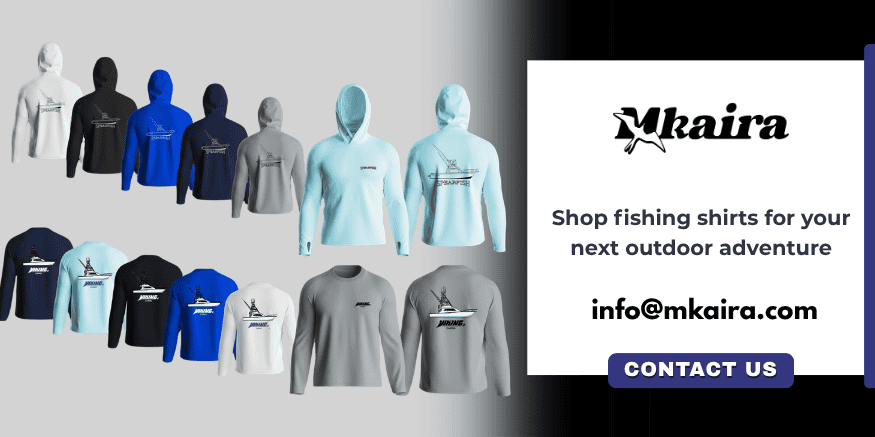
For anglers after gear that’s actually designed with these conditions in mind, Mkaira’s range of performance fishing apparel covers everything from UPF-rated tees through to fully featured hooded shirts built for long days in harsh sun. Their mens boating shirts are designed specifically around the demands of Australian conditions, rather than adapted from generic activewear.
Making the Final Call
Once you’ve weighed up sun protection, breathability, coverage, design, colour, and versatility, the decision usually becomes pretty clear. The best approach is to think about the kind of fishing you actually do most often, rather than buying for the occasional extreme trip you might take once a year.
At the end of the day, the right shirt won’t win you more fish on its own — but it will keep you out there longer, more comfortable, and better protected, which usually leads to a better result anyway. Skimping on this part of your kit rarely pays off, especially once the sun really gets stuck into you. Ready to gear up properly for your next trip? Get in touch with our team to find the right fit, fabric, and coverage for the way you actually fish, and we’ll point you toward the shirt that suits your conditions best.