
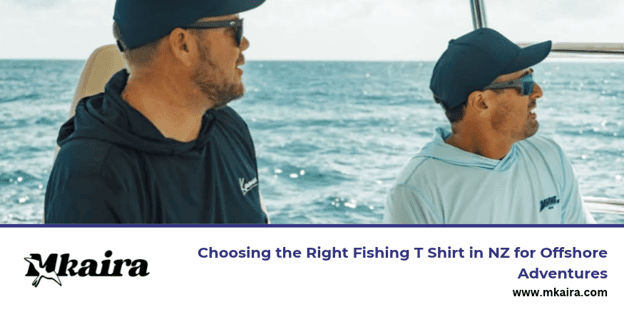
When choosing a fishing T-shirt in NZ, anglers should consider their fishing activities and the conditions they may encounter. Offshore fishing in New Zealand can involve long hours on the water, with anglers exposed to direct sunlight, wind, sea spray, and changing weather. Wearing suitable clothing helps you stay comfortable throughout these trips, especially when casting, handling equipment, or moving around the boat.
A well-designed fishing shirt can support ease of movement while helping manage sweat and moisture during active fishing. However, not every shirt is made for these conditions, so factors such as fabric, breathability, fit, and sun protection deserve attention. Mkaira offers fishing apparel worth exploring as you prepare for your next offshore adventure.
Understanding the Conditions of Offshore Fishing in New Zealand
Offshore fishing in New Zealand can expose anglers to a range of environmental conditions that influence clothing choices. Weather can vary between coastal and offshore locations, with wind, cloud cover and temperatures changing throughout the day. During summer trips, prolonged exposure to direct sunlight can make lightweight, breathable clothing particularly useful.
Wind and sea spray may also leave garments damp, affecting comfort during extended time on the water. Early morning departures can feel cooler, while temperatures may rise as the day progresses. These changing conditions make it important to choose fishing apparel that offers comfort and flexibility. Rather than selecting a shirt based only on its appearance, anglers should consider fabric, fit, drying properties, and coverage to find an option suited to their offshore activities.
Why Fabric Choice Matters for Fishing T-Shirts in NZ?
The fabric of afishing T-shirt NZ can influence how comfortable it feels during long hours on the water. Lightweight synthetic materials, such as polyester and polyester blends, are commonly used in performance fishing apparel because of their practical properties.
- Moisture-Wicking Properties: These fabrics are designed to move perspiration away from the skin, helping manage moisture during active fishing.
- Quick-Drying Performance: Synthetic materials often dry faster than heavier fabrics, making them useful when clothing gets damp from sea spray or sweat.
- Breathability: Lightweight fabric construction can support airflow, which is particularly useful in warmer weather.
- Ease of Care: Check the fabric composition and washing instructions to understand how to maintain the garment.
Although cotton shirts may feel comfortable for everyday wear, heavier cotton can retain moisture and take longer to dry. When comparing premium fishing shirts, consider fabric weight, breathability, drying properties, and care requirements to find an option suited to offshore conditions.
UV Protection Matters When Fishing
Spending long hours offshore can expose anglers to significant ultraviolet (UV) radiation, particularly during bright summer days. Sunlight can also reflect off the water, increasing the importance of taking sensible precautions while fishing. When comparing premium fishing shirts, check whether the garment has a clearly stated Ultraviolet Protection Factor (UPF) rating.
This rating indicates how effectively a fabric blocks ultraviolet radiation, helping buyers understand its level of sun protection. A higher UPF rating generally means less UV radiation passes through the material. However, not all fishing shirts offer the same protection, so reviewing product specifications is essential.
A suitable custom UV fishing shirt should also be part of a broader sun-protection approach. Apply sunscreen to exposed skin, wear UV-protective sunglasses, and choose appropriate headwear to help protect yourself during extended offshore trips.
Finding the Right Fit and Design for Fishing Activities
The fit and design of a fishing shirt can influence comfort and movement during offshore activities. Consider these factors when selecting a suitable option:
- Freedom of Movement: Choose a fit that allows comfortable movement when casting, reeling, and handling fishing equipment.
- Comfortable Sizing: Avoid shirts that feel excessively tight or loose, as either can affect comfort during extended wear.
- Sleeve Length: Consider sleeve coverage that suits the weather and your preference for sun protection.
- Collar and Neckline: Look for collar styles and neckline designs that provide comfortable coverage without restricting movement.
- Seam Construction: Check seam placement and stitching to reduce the likelihood of irritation during long fishing sessions.
- Practical Design: Select colours and styles that balance personal preference, comfort, and functionality.
Building a Practical Offshore Fishing Outfit
When selecting fishing clothing, NZ anglers should consider the expected weather, trip duration, and activity level. A suitable fishing shirt is only one part of a comfortable offshore outfit. Pair it with fishing shorts or lightweight trousers that allow easy movement throughout the trip.
Carry an appropriate outer layer for cooler mornings or changing wind conditions. Choose footwear with suitable grip and support for moving around the boat safely. Hats and UV-protective sunglasses can complement your sun-protection routine.
Combining practical clothing and accessories helps create an outfit suited to different offshore conditions and makes preparing for fishing adventures more straightforward.
Make a Choice between different Fishing shirts
Selecting the right fishing shirt involves comparing features against your offshore requirements. Start by considering the type of fishing, trip duration, and expected weather conditions. Then assess the following factors:
- Fabric Composition: Compare materials for breathability, moisture management, and quick-drying properties.
- Sun Protection: Look for a clearly stated UPF rating if UV protection matters to you.
- Fit and Comfort: Assess sizing, sleeve length, neckline, and freedom of movement.
- Construction Quality: Review stitching, fabric durability, and overall garment finish.
- Care Requirements: Check washing instructions and maintenance needs before purchasing.
- Product Specifications: Compare descriptions and features rather than choosing based only on colour, design, or price.
When considering premium fishing shirts, evaluate their materials, construction, comfort, and practical features to determine whether they suit your fishing activities.
Maintaining Your Fishing Shirts
Proper care can help maintain the condition of fishing clothing in nz, after regular offshore use. Follow these simple practices to keep your apparel in good shape:
- Rinse After Use: Rinse shirts with fresh water to remove salt spray and surface residue.
- Follow Washing Instructions: Check the manufacturer’s care label before washing each garment.
- Use Suitable Detergents: Choose an appropriate detergent and avoid harsh cleaning products if the care instructions advise against them.
- Dry Thoroughly: Let shirts dry completely before storing to prevent lingering moisture.
- Avoid Excessive Heat: Follow recommended drying methods, particularly if air drying is advised.
- Inspect Regularly: Check seams, stitching, and fabric condition for signs of wear or damage.
Choosing a Fishing Shirt for Your Next Offshore Adventure
When exploring fishing clothing NZ, focus on comfort and practical features rather than appearance alone. Choosing the right fishing shirt means considering fabric, fit, breathability, drying properties, UV protection, and durability. The ideal option should match your offshore activities and the conditions you may encounter on the water.
Discover Mkaira’s range of fishing apparel and find a suitable shirt for your next offshore adventure. Explore the collection today!